Types of Sleep Tests: Polysomnography, Home Studies, and More
Introduction
Sleep is an essential pillar of health, affecting everything from energy levels to mood and long-term wellbeing. When sleep problems arise, such as chronic fatigue, snoring, or unexplained daytime sleepiness, a sleep test can provide crucial insights. With advancements in technology, patients now have access to a variety of sleep studies, from traditional in-lab monitoring to convenient home-based tests. Understanding the different types can help you make informed decisions and feel more comfortable during your first study.
What is a Sleep Test?
A sleep test, also known as a sleep study, is a diagnostic tool designed to monitor and evaluate your sleep patterns, behaviours, and physiological functions. These studies help identify disorders like obstructive sleep apnoea, insomnia, restless leg syndrome, and narcolepsy.
Key measurements typically include:
- Brain activity (EEG)
- Eye movements
- Heart rate
- Breathing patterns
- Oxygen saturation
- Muscle activity
Modern sleep tests are highly sophisticated, allowing healthcare providers to tailor treatment plans and improve your overall sleep quality.
Preparing for a Sleep Study
Proper preparation ensures the most accurate and comfortable experience:
- Maintain regular sleep patterns in the days leading up to the study
- Avoid caffeine and alcohol on the day of the test
- Bring personal comfort items, like a favourite pillow or blanket
- Wear comfortable, loose clothing
- Follow your doctor’s instructions regarding medications
Following these steps helps minimise anxiety and increases the accuracy of your results.
Types of Sleep Tests
1. Polysomnography (In-Lab Sleep Study)
Polysomnography (PSG) is the most comprehensive type of sleep study, typically conducted in a sleep clinic overnight.
- Monitors brain waves, eye movements, heart rate, and breathing
- Tracks oxygen levels and muscle activity
- Conducted under the supervision of trained technicians
- Ideal for complex or undiagnosed sleep disorders
Modern PSG uses advanced sensors and software for precise, real-time monitoring, improving comfort and diagnostic accuracy compared to older techniques.
2. Home Sleep Apnoea Tests

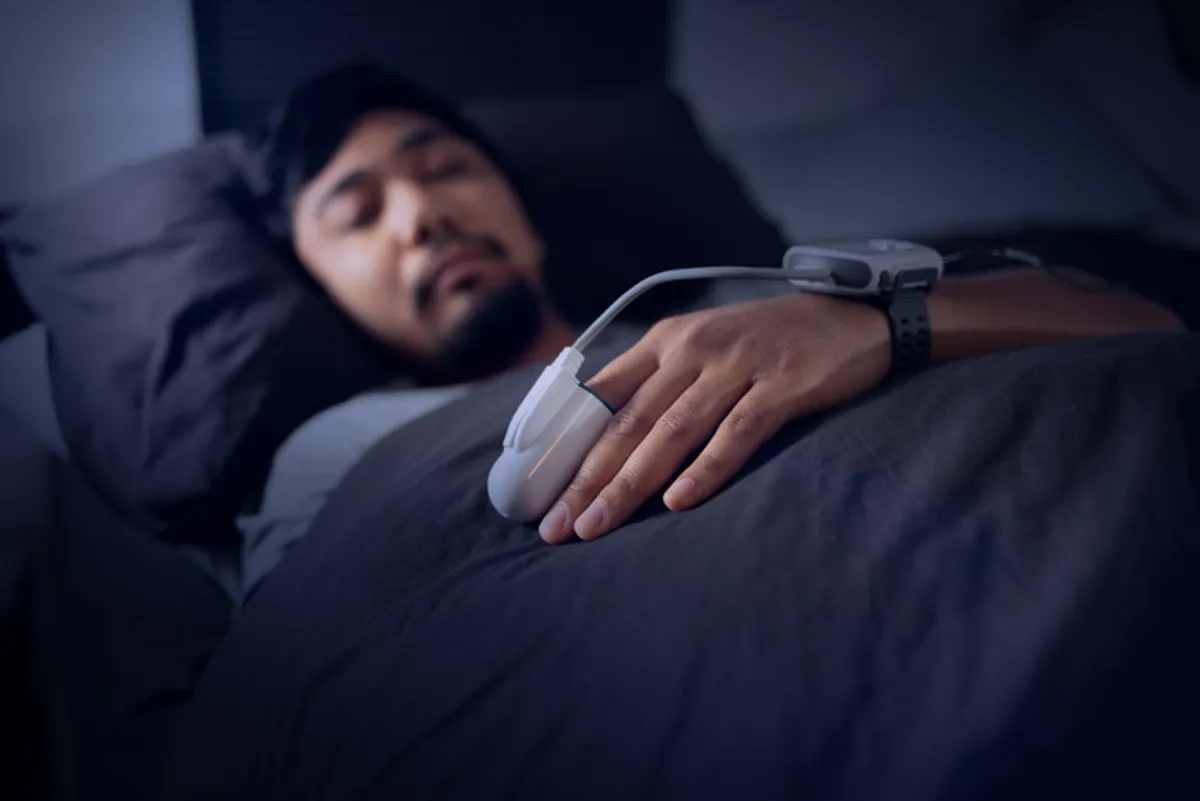
Home sleep studies provide a convenient alternative for patients with suspected sleep apnoea.
- Monitors breathing patterns, oxygen saturation, and heart rate
- Conducted in the comfort of your own bed
- Less invasive and simpler to set up than in-lab studies
- Ideal for patients with moderate risk of sleep apnoea
While not as comprehensive as PSG, home tests offer a practical and reliable diagnostic option for many patients.
3. Multiple Sleep Latency Test (MSLT)
Used primarily for diagnosing narcolepsy and excessive daytime sleepiness:
- Measures how quickly you fall asleep in quiet, dimly lit settings during the day
- Assesses the stages of sleep and frequency of REM sleep
- Often performed the day after an overnight PSG
4. Maintenance of Wakefulness Test (MWT)
Designed to evaluate alertness and ability to stay awake, often for:
- Work safety assessments
- Evaluating treatment effectiveness for sleep disorders
Patients are monitored in a controlled environment and asked to stay awake while sensors track physiological signals.
What to Expect During Your First Sleep Study
In-Lab Study Experience
- Sensor attachment: Tiny patches monitor your brain, eyes, heart, and muscles
- Nasal cannula: Measures airflow and breathing patterns
- Finger sensor: Tracks oxygen levels
- Technician support: Staff are available throughout the night to adjust sensors or answer questions
Home Study Experience
- Easy-to-wear monitoring equipment
- Instructions provided by your sleep clinic
- Sleep in your usual environment for a more natural sleep pattern
- Data is collected and returned for analysis
Despite minor adjustments, most patients are able to sleep relatively normally.
How Sleep Test Results Are Used
Once the study is complete, a sleep specialist analyses the data to identify abnormalities and patterns:
- Diagnoses specific sleep disorders
- Recommends treatment options such as CPAP therapy, lifestyle modifications, or medication
- Provides a detailed report for ongoing monitoring and care
Early detection and treatment can significantly improve quality of life and reduce long-term health risks.
Benefits and Potential Discomforts
Benefits
- Accurate diagnosis of sleep disorders
- Personalised treatment plans
- Improved daytime energy and focus
- Reduced risk of heart disease, high blood pressure, and other health complications
Potential Discomforts
- Mild skin irritation from electrodes
- Slight disturbances in sleep due to sensors or equipment
- Minor nasal discomfort from breathing monitors
Modern sleep studies have become more comfortable and less intrusive, making the process easier than ever before.
Patient Experiences
Patients often report relief and reassurance after completing a sleep test. Common feedback includes:
- “I finally understood why I was so tired during the day.”
- “Sleeping with sensors was easier than I expected.”
- “The test helped my doctor create a treatment plan that works for me.”
Understanding what to expect and hearing from others can make your first sleep study less intimidating.
Conclusion
Sleep tests are a vital tool for diagnosing and managing sleep disorders. Whether you choose an in-lab polysomnography, a home sleep test, or a specialised daytime study, modern sleep testing is comfortable, accurate, and informative. By understanding the different types of sleep tests, preparation tips, and expected experiences, patients can approach their first study with confidence and clarity.
FAQs
1. What is the difference between in-lab and home sleep tests?
In-lab studies are comprehensive and monitor multiple physiological signals under supervision, ideal for complex cases. Home sleep tests are convenient, focusing on breathing and oxygen levels, suitable for patients with suspected sleep apnoea. Both provide valuable insights, but your doctor will recommend the best option based on your needs.
2. How should I prepare for a sleep study?
Maintain regular sleep patterns in the days leading up to the study. Avoid caffeine and alcohol on the test day, wear comfortable clothing, and bring personal comfort items like a pillow. These steps help ensure accurate results and a more comfortable experience.
3. Are sleep tests uncomfortable?
Most patients experience only minor discomfort, such as small electrode patches or a nasal sensor. Modern equipment is designed to be minimally intrusive. Technicians provide support throughout the night to ensure patients can sleep as naturally as possible.
4. How long does it take to receive sleep test results?
Sleep study results are usually analysed within a few days to a week. Patients receive a detailed report explaining sleep patterns, detected disorders, and recommended treatment plans. Your doctor will review these results and guide the next steps for optimal sleep health.
5. Can sleep tests help with daytime fatigue?
Yes. Sleep tests identify underlying disorders such as sleep apnoea or insomnia, which often cause excessive daytime sleepiness. Accurate diagnosis allows for personalised treatments that can significantly improve energy levels, focus, and overall quality of life.